Catch Brake Changes Before They Compromise Safe Stops
A brake pedal can tell you a lot before a serious braking problem becomes obvious. When the pedal feels firm and predictable, you can stop with more confidence during Leander traffic, school drop-offs, errands, and highway drives.
Changes in pedal feel are not always caused by the same issue, but they are worth taking seriously. A soft or spongy pedal, a pedal that travels farther than usual, delayed response, or an unusually hard pedal can all point to a brake system concern. Brake fluid condition is one possible reason, and a professional inspection can help identify what is really going on.
Small changes can be easy to miss because they often happen over time. You may slowly adjust to pressing the pedal farther down without realizing your vehicle no longer responds the way it once did. Paying attention during normal stops can help you catch concerns before a warning light appears.
What a Healthy Brake Pedal Should Feel Like
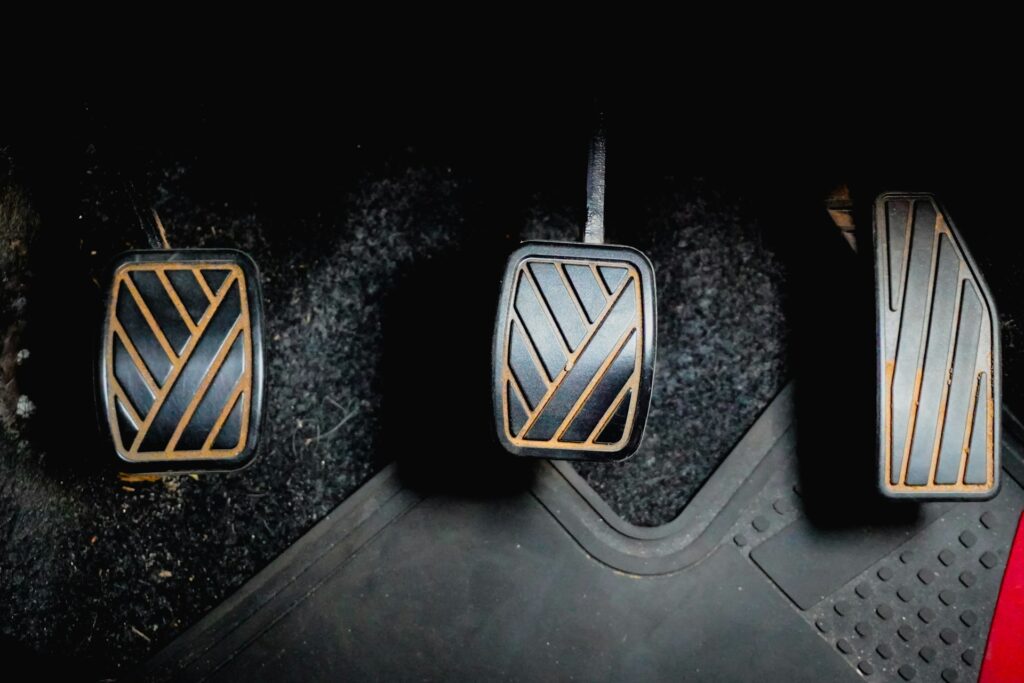
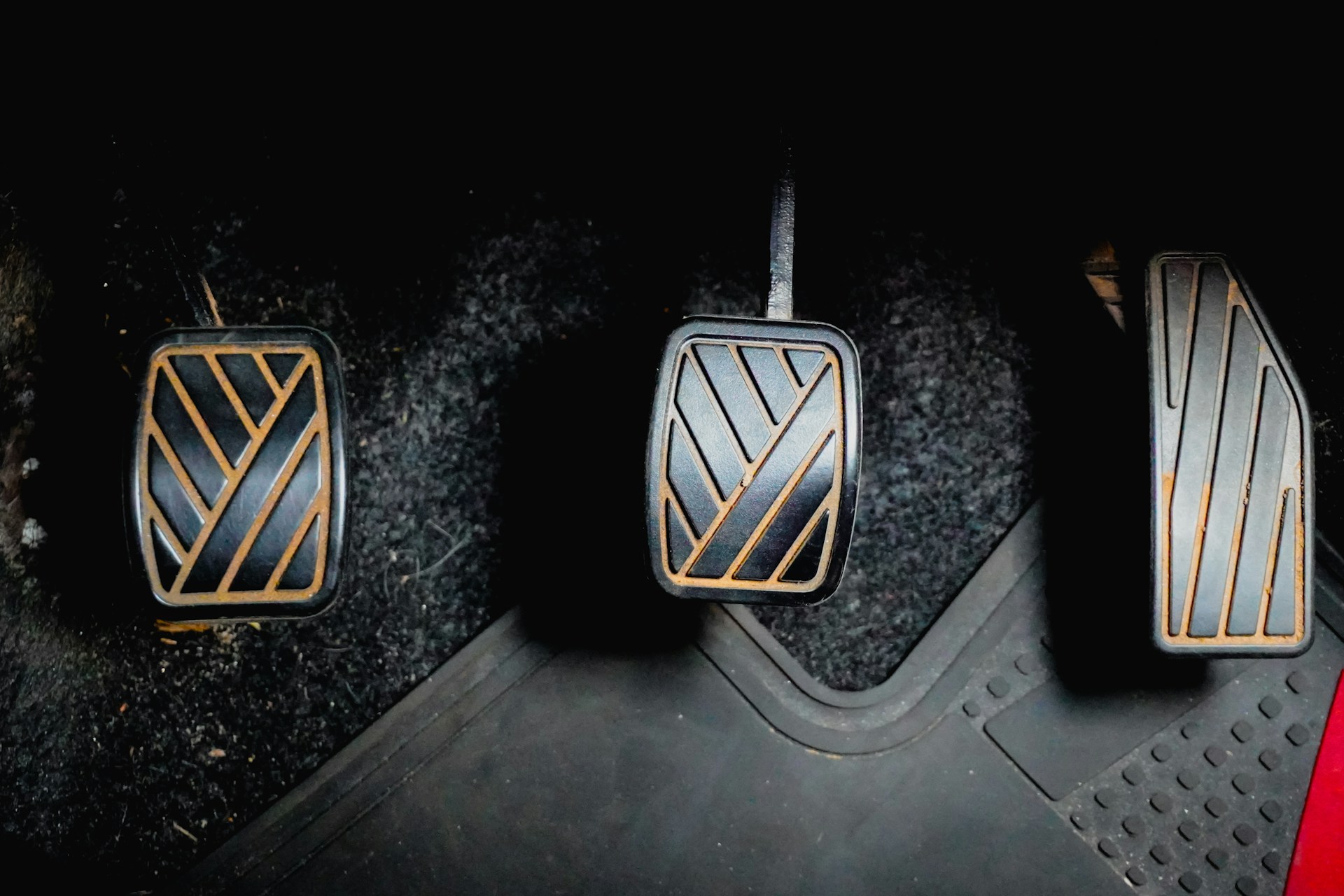
Under normal conditions, your brake pedal should feel firm, steady, and responsive. When you press it, your vehicle should begin slowing promptly without the pedal moving unusually close to the floor or requiring excessive force.
Signs that deserve attention include:
- A soft, spongy, or springy feeling
- A pedal that slowly sinks while you hold pressure
- Inconsistent resistance from one stop to the next
- Longer stopping distances or delayed response
- A brake warning light on the dashboard
Vibration, pulling to one side, grinding, or squealing can signal concerns beyond brake fluid condition. Those symptoms may involve brake pads, rotors, calipers, hoses, or other components that need professional attention.
A sudden loss of pedal firmness, visible fluid leaks, a brake warning light, or trouble stopping should be treated as an urgent safety concern. If braking performance feels unsafe, avoid continuing to drive the vehicle. At Leander Lube Express, we can help local drivers discuss whether brake fluid condition and pedal feel call for further attention.
Why Brake Fluid Changes as It Ages
Brake fluid has an important job: it transfers pressure from your foot on the pedal to the braking components at each wheel. Because your brake system depends on hydraulic pressure, the condition of the fluid matters for steady, dependable brake response.
Over time, brake fluid can absorb moisture. That moisture may lower the fluid’s boiling point and contribute to corrosion inside brake system components. Stop-and-go driving, frequent braking, seasonal humidity, and long service intervals can all make brake fluid maintenance worth discussing with a qualified professional.
Older brake fluid may look darker, but color alone does not tell the full story. A technician should consider the fluid, the vehicle’s maintenance history, and the overall brake system rather than making a decision based only on appearance.
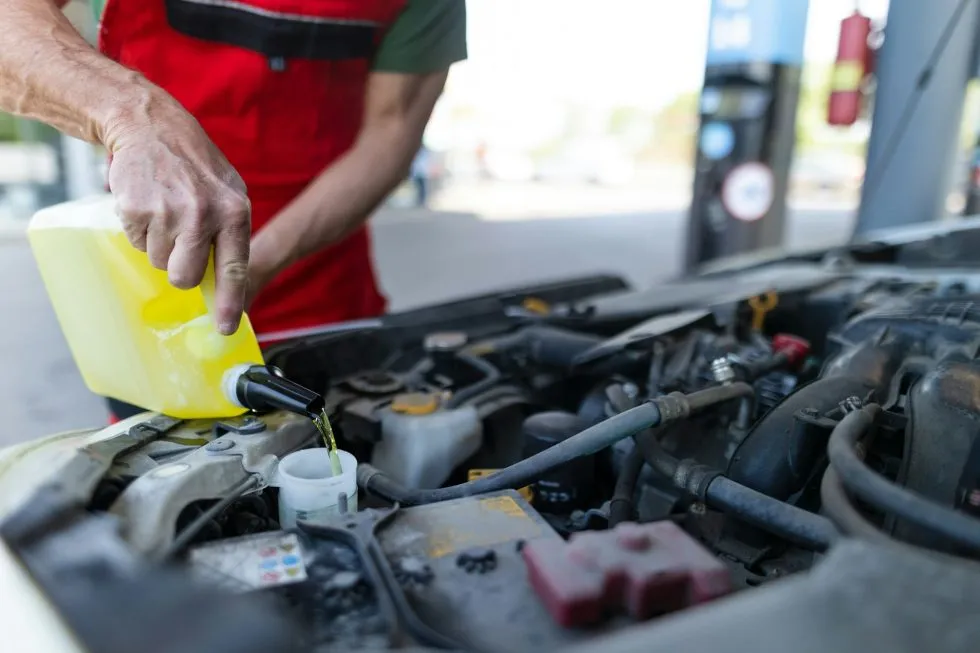
Depending on the vehicle and its needs, a brake fluid service may include removing old fluid and replacing it with the manufacturer-recommended type. We recommend checking your owner’s manual for brake maintenance guidance. Some automakers list time or mileage intervals, while others base recommendations on driving conditions and brake system performance.
Prepare for Fall Errands and Holiday Travel
Late October is a good reminder to look over routine vehicle maintenance before holiday plans fill the calendar. Fall can bring more errands, family visits, school events, and longer road trips. Changing seasons do not cause every brake concern, but a busy travel period is a smart time to notice whether your vehicle feels different behind the wheel.
Consider having the brake system checked if:
- The pedal feels softer or less consistent than before
- You do not know when brake fluid was last serviced
- You expect more highway or holiday driving
- Your vehicle recently had brake-related repairs
- A warning light or other brake symptom has appeared
Texas no longer requires annual state safety inspections for most vehicles. However, vehicles registered in emissions-testing counties, including Williamson County, still need a state emissions test for registration renewal. An emissions test does not check brake pedal feel, brake fluid condition, or stopping performance.
We provide emissions testing and routine vehicle maintenance for local drivers, so you can bring up brake-related concerns during your visit. A conversation about what you have noticed can help determine whether a closer brake inspection is needed.
When Brake Fluid Service Makes Sense
A brake fluid service makes sense when it is recommended in your owner’s manual, when maintenance is overdue, or when a professional finds that the fluid is contaminated or no longer in suitable condition. It may also be discussed after certain brake repairs, depending on the work performed and the condition of the system.
Still, brake fluid service is not a cure-all for every pedal problem. Several issues can change the way a brake pedal feels, including:
- Air trapped in the brake lines
- Worn brake pads or other worn components
- Damaged brake hoses
- Fluid leaks
- Caliper or master cylinder concerns
That is why a professional evaluation matters before any maintenance is performed. Replacing fluid may be appropriate in some cases, while another repair may be needed in others. The goal is to identify the actual source of the change instead of guessing.
Keeping service records can also make brake maintenance easier to track. The right brake fluid service interval depends on your vehicle manufacturer’s guidance, your driving habits, and the condition of the brake system.
Before Your Next Long Drive
A softer pedal, inconsistent brake response, warning lights, or an unknown brake fluid history should not be brushed aside. Early attention can support more confident driving during fall errands, holiday travel, and everyday trips around Leander.
Your brakes should feel predictable each time you press the pedal. When that familiar feel changes, having the system professionally checked can help you understand whether brake fluid service, a repair, or another step is needed for safer stops.
Keep Your Braking System Performing Reliably
At Leander Lube Express, we can help you schedule a brake fluid service that supports responsive braking and protects key system components. Our team will review your vehicle’s needs and provide straightforward recommendations. To arrange your visit or ask a question, contact us today.