An emissions test and a multi-point inspection service can both be helpful, but they do very different jobs. One may be required before you renew your registration, while the other helps you keep an eye on the everyday condition of your vehicle.
For drivers in Leander, knowing the difference can save time during a busy registration month and help prevent trouble on late-summer drives. We want you to know which check your vehicle needs, and why it may make sense to plan for both.
Know What Your Vehicle Needs Before Registration
Texas no longer requires the former annual state safety inspection for most noncommercial vehicles. That does not mean every registration-related inspection requirement has disappeared, though. Eligible vehicles registered in emissions counties, including Williamson and Travis counties, may still need an emissions test before registration can be completed.
An emissions test is tied to registration requirements. A multi-point inspection service is preventive maintenance. It is not a government certification, and it does not produce the same result as an emissions test.
Here is the simple difference:
- Emissions testing checks whether an eligible vehicle meets Texas environmental requirements.
- A multi-point inspection service looks for visible or developing maintenance concerns.
- An emissions test may be needed for registration.
- A maintenance inspection helps you make informed choices about your vehicle’s care.
Both services can be useful before a deadline. One helps confirm registration readiness, while the other may catch concerns that could make daily driving less dependable.
How a Multi-Point Inspection Service Supports Reliability
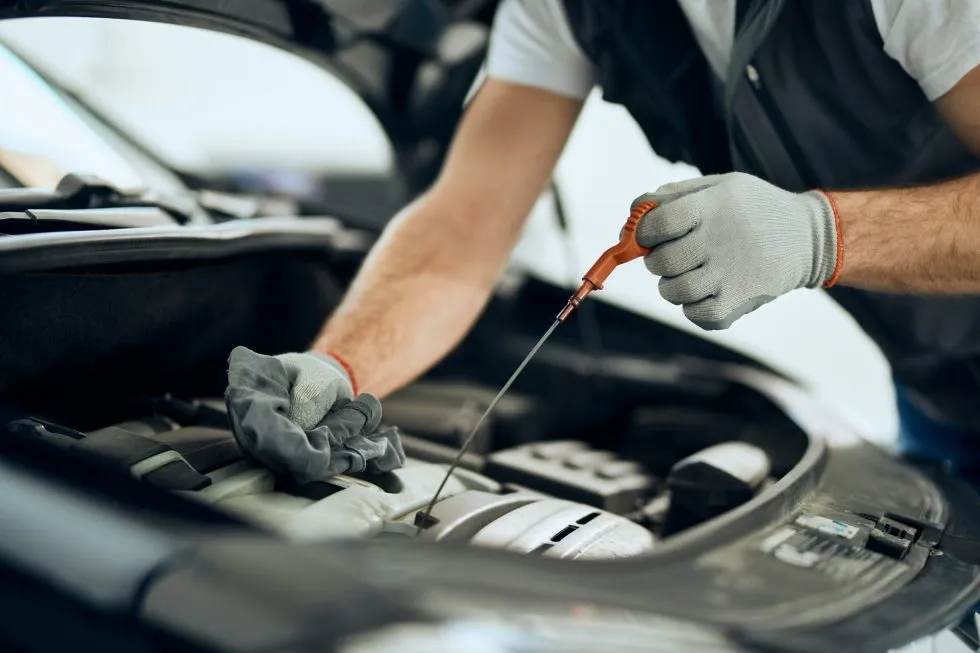
A multi-point inspection service is a visual and functional review of key vehicle systems. During this kind of maintenance check, we look for signs that parts, fluids, or systems may need attention. The goal is to spot concerns early, before they turn into a surprise breakdown or a larger repair.
The exact condition of every vehicle is different. Mileage, driving habits, traffic, and the age of the vehicle can all affect what needs attention. A driver who spends plenty of time in stop-and-go traffic around Leander and the Austin area may have different needs than someone who mostly drives short local routes.
Depending on the vehicle, we may review items such as:
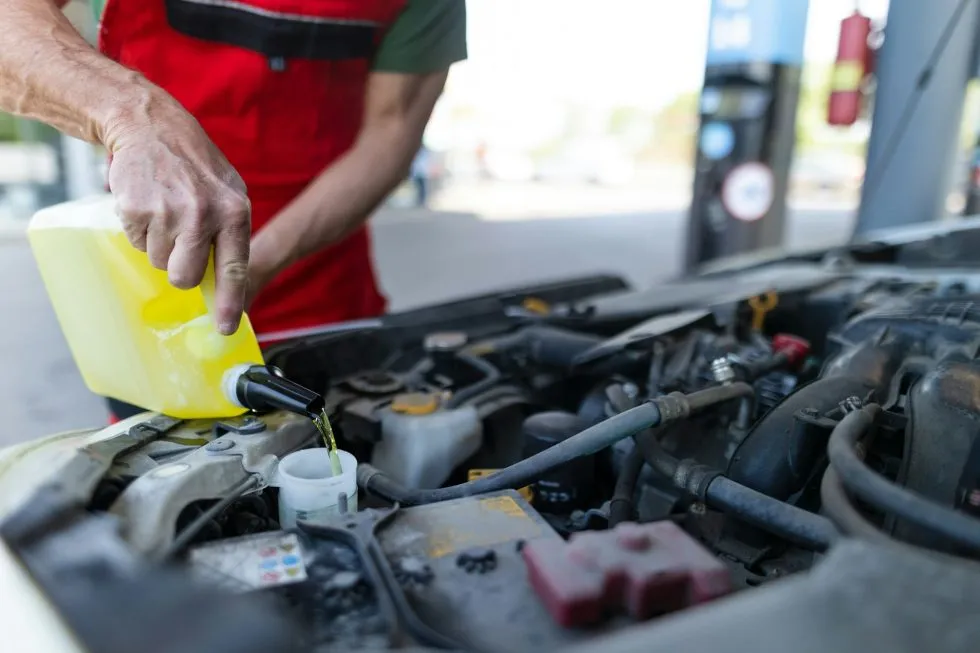
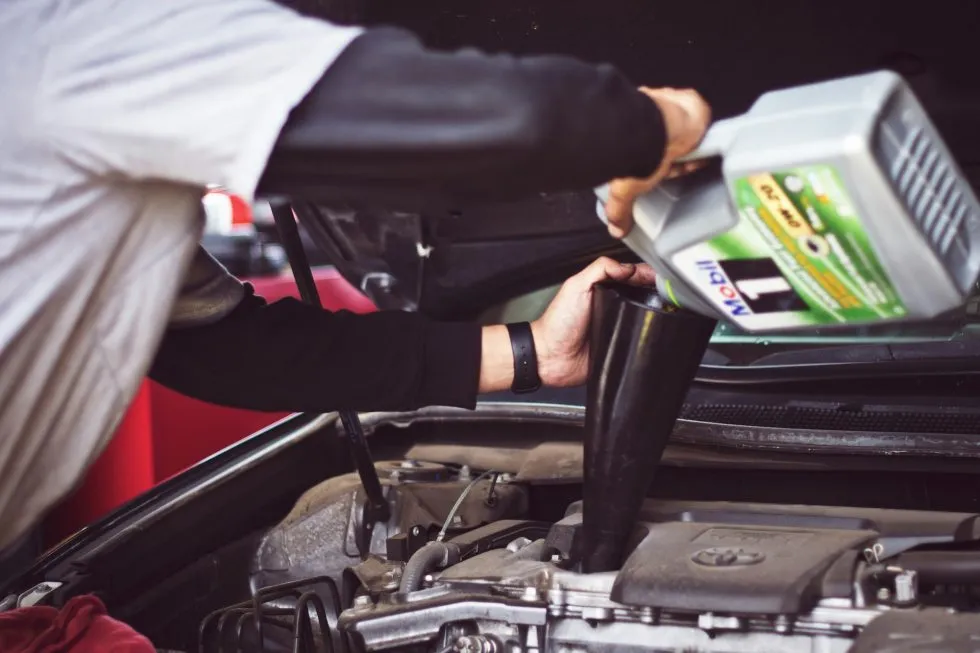
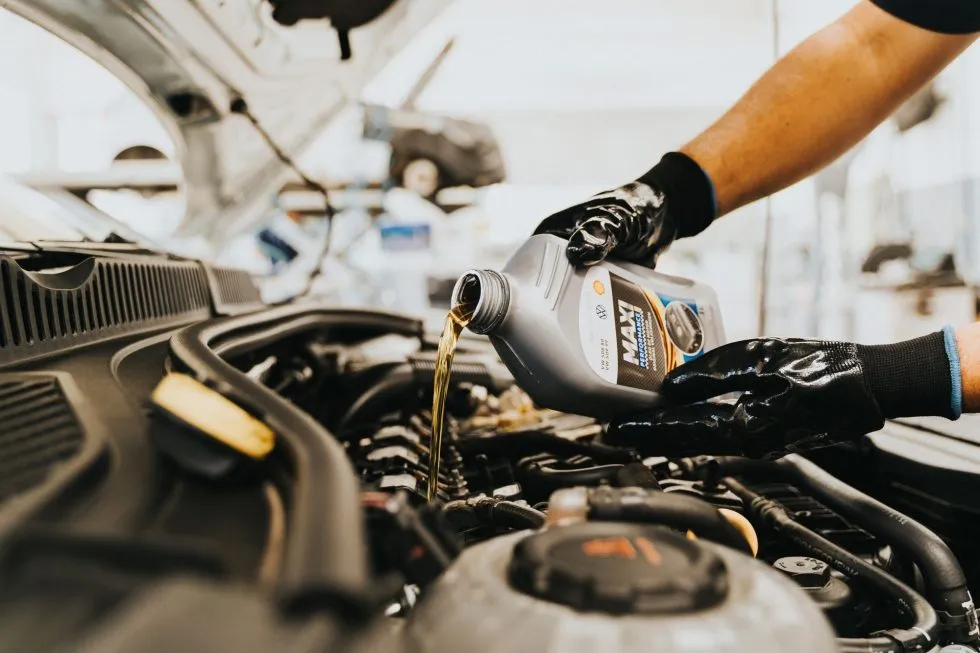
- Engine oil level and condition, along with other fluid levels
- Tire condition and tire pressure
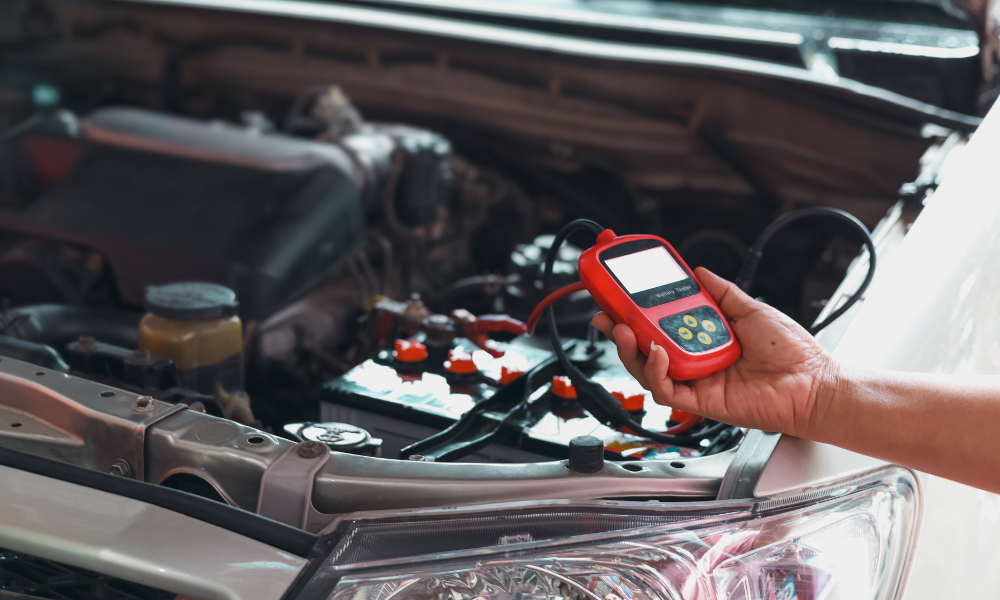
- Battery condition, belts, hoses, and visible leaks
- Exterior lights, wiper blades, brakes, and other visible components
This service gives you useful information, but it does not replace a repair diagnosis when a warning light is on or the vehicle is showing a performance problem. If we notice something that deserves closer attention, you can make a plan based on your vehicle’s current condition.
August heat can be tough on vehicles in Central Texas. High temperatures can put added strain on batteries, tires, cooling systems, and air conditioning performance. A maintenance review before a longer drive can help bring small concerns to your attention before they become a bigger inconvenience.
What Texas Emissions Testing Verifies
Texas emissions testing is designed to confirm that qualifying vehicles meet state environmental standards before registration. Whether a vehicle needs testing depends on factors such as the county where it is registered, its age, fuel type, and state eligibility guidelines.
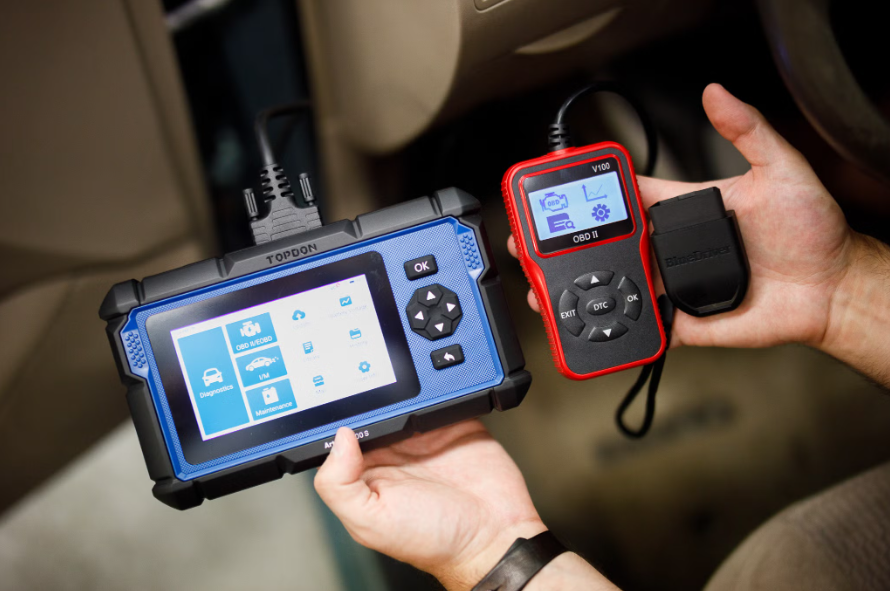
For many newer vehicles, the test includes information from the onboard diagnostic system. That system monitors emissions-related equipment and can report problems that affect the vehicle’s emissions performance. A check engine light can affect the result, and incomplete readiness monitors may also keep a vehicle from passing.
Because of that, we recommend paying attention to warning lights before the end of the registration month. A vehicle that seems to drive normally can still have an emissions-related issue stored in its diagnostic system.
Passing an emissions test does not mean every part of the vehicle is in good shape. The test is not a complete condition review. It does not confirm that your tires have proper pressure, your brakes are in good condition, your battery is strong, or your cooling system is ready for a hot afternoon in traffic.
If you are unsure whether your vehicle needs an emissions test, verify the current state requirement based on your registration details and vehicle type before making plans around your renewal date.
Why Both Checks Matter
A multi-point inspection service cannot replace a required Texas emissions test. In the same way, an emissions test cannot replace the value of routine maintenance. They work side by side, but they are not interchangeable.
Think of emissions testing as a registration check and a multi-point inspection as a vehicle condition check. One is focused on whether an eligible vehicle meets the state’s emissions requirement. The other gives you a broader look at maintenance items that could affect reliability and comfort on the road.
For example, a vehicle might pass an emissions test even if it has low tire pressure, worn wiper blades, aging fluids, or a battery that is beginning to weaken. Those items may not stop registration, but they can still affect your next commute, school drop-off, or weekend drive.
On the other hand, a vehicle may appear to be in great shape while a check engine light points to an emissions-related concern. Addressing a known warning light or performance issue before emissions testing can help you avoid an unexpected failed result and the need for retesting.
Prepare for August Heat and Late-Summer Travel
Late summer can be a busy time on the road. Back-to-school routines, end-of-summer trips, and heavy traffic around Leander can put more demand on your vehicle. A little planning before the calendar fills up can make those drives feel less stressful.
Before longer drives or a packed fall routine, it is smart to have a professional take a look at areas that can be affected by heat and regular use. Battery condition, tire pressure, cooling system performance, fluid levels, windshield visibility, and air conditioning operation all deserve attention during this time of year.
Registration deadlines also go more smoothly when you do not wait until the final days of the month. Planning ahead for emissions testing gives you breathing room if a warning light appears or a maintenance concern needs to be addressed first.
Choose the Right Check for Your Leander Vehicle
If your vehicle is eligible for emissions testing in Williamson or Travis County, that test is part of the registration process. A multi-point inspection service is different, offering a practical overview of maintenance needs that may affect how your vehicle performs from day to day.
The best choice depends on what is coming up for your vehicle. A registration deadline may point you toward emissions testing, while an upcoming road trip, unusual warning light, or change in vehicle performance may call for maintenance attention. Planning early helps you handle both needs without turning them into a last-minute problem.
Drive With Greater Confidence
At Leander Lube Express, our team can help you stay informed about your vehicle’s condition with a thorough multi-point inspection service. We’ll review key components and help you understand any maintenance needs before they become more disruptive. If you have questions or would like to discuss your vehicle, contact us today.